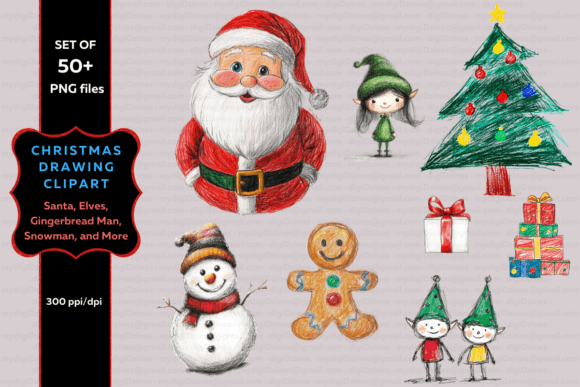
Reviewing the Pastel Christmas Tree Design for Embroidery
As a designer who has spent countless hours digitizing and stitching out holiday motifs, I approach every new machine embroidery design with a mix of curiosity and skepticism. The market is flooded with seasonal graphics, but few translate well from screen to fabric. Recently, I evaluated A Pastel Christmas Tree Design with Soft, a piece categorized under Illustrations, to determine its viability for real-world commercial and personal projects. This review breaks down how this specific aesthetic performs in the hoop, offering practical insights for Etsy sellers, craft business owners, and hobbyists looking to elevate their holiday offerings.
First Impressions: Mood and Visual Personality
The immediate appeal of A Pastel Christmas Tree Design with Soft lies in its departure from traditional, high-contrast holiday imagery. Instead of relying on stark reds and greens, this design utilizes a muted, dreamy palette that evokes a sense of calm and modern nostalgia. For embroidery designers, this is a crucial distinction. The soft lines and gentle color transitions suggest a design that prioritizes texture and subtlety over bold, graphic impact.
Visually, the layout feels balanced and organic. It does not scream for attention; rather, it invites a closer look. This makes it an ideal candidate for customers seeking a more sophisticated, boutique-style aesthetic. When I first loaded the digital embroidery file into my software, I noticed the careful consideration of shape and flow. The tree structure is not rigid; it has a hand-drawn quality that translates beautifully into stitch work, provided the digitizing supports these nuances. For small shop product lines that focus on minimalism or Scandinavian-inspired decor, this mood is exactly what buyers are currently seeking.
Real-World Application: From Screen to Stitch
To truly understand the value of this design, I considered several practical applications. The versatility of A Pastel Christmas Tree Design with Soft becomes apparent when you move beyond standard hooping scenarios. Here is how it performs across different mediums:
- Custom Apparel and Sweatshirts: On a cream or oatmeal-colored fleece sweatshirt, the pastel tones blend seamlessly with the fabric texture. The design acts as a subtle accent rather than a loud statement, making it perfect for sweatshirt embroidery intended for everyday winter wear. It avoids the "costume" feel of traditional holiday gear.
- Tote Bags and Canvas Goods: For a tote bag design, the softness of the tree contrasts nicely with the rugged nature of canvas. However, because the colors are light, I recommend using a white or light natural canvas to ensure the thread colors remain visible without requiring excessive underlay or density.
- Baby Items and Nursery Decor: This is perhaps the strongest use case. The gentle aesthetic is inherently suited for baby embroidery. Imagine this stitched onto a muslin swaddle blanket or a nursery pillow cover. The lack of harsh lines makes it safe and appealing for infant products, adding significant perceived value to a personalized gift.
- Embroidered Patches: Creating an embroidered patch with this design requires careful attention to edge finishing. The soft edges might need a satin stitch border to prevent fraying if cut-out, or it could be left as a raw-edge applique if the design supports it.
Technical Considerations and Stitching Performance
While the visual appeal is strong, the technical execution determines whether the finished product looks professional or amateur. When working with pastel designs, stitch density is a critical factor. If the density is too low, the fabric background may show through, muddying the soft colors. If it is too high, the fabric may pucker, especially on lighter materials.
I advise testing the design on scrap fabric before committing to a final project. Pay close attention to how the fill stitch interacts with the fabric texture. On textured fabrics like terry cloth or heavy linen, the fine details of the illustration might get lost. In such cases, increasing the stitch count slightly or choosing a smoother fabric like cotton poplin can enhance clarity.
Another key consideration is the use of stabilizer. For delicate pastels, any shadowing from the stabilizer or the garment itself can detract from the design’s purity. Using a cut-away stabilizer for knits and a tear-away for wovens is standard, but for this specific design, ensuring the stabilizer is trimmed cleanly around the edges is vital to maintain the "soft" illusion. If the design includes any satin stitch elements for ornaments or trunks, ensure the width is appropriate for the thread weight being used to prevent snagging.
Navigating Challenges: Where to Use Caution
Not every project is a good fit for A Pastel Christmas Tree Design with Soft. Designers must be realistic about limitations. Here are scenarios where extra care is needed:
- Dark Fabrics: Pastel threads on dark navy or black fabric will require a dense underlay or a base layer of white thread to pop. Without this, the design will look dull and washed out. Always test on the intended garment color.
- Small Hoop Sizes: If scaling the design down for a 4x4 hoop, check the hoop size compatibility. Tiny details may merge together, turning distinct branches into a solid blob. Simplify or enlarge if necessary.
- Stretchy Fabrics: On thin, stretchy jerseys, the pull of the stitches can distort the tree’s shape. Using a proper stabilizer and possibly hooping with a topping can mitigate this.
- Frequent Washing: Light-colored threads are prone to showing dirt or discoloration over time. For items like kitchen towels or aprons that see heavy use, consider the longevity of the aesthetic. It may be better suited for decorative items like pillow covers or wall hangings.
Enhancing Brand Value and Customer Trust
For commercial embroidery professionals and digital product sellers, the choice of design directly impacts brand perception. Using A Pastel Christmas Tree Design with Soft signals a curated, thoughtful approach to product creation. It moves away from mass-produced vibes and towards artisanal quality.
When creating printable mockups or promotional images for your Etsy listings, this design shines. Its aesthetic photographs well in natural light, allowing for cohesive social media content that appeals to modern consumers. By consistently using high-quality, well-digitized assets like this, you build trust with your audience. They learn to associate your brand with reliability and taste. Whether you are selling the design assets themselves or the handmade product, the professionalism of the stitch-out reflects on your business integrity.
Final Designer Notes and Best Practices
Before launching any project with this design, take these final steps to ensure success:
- Check Licensing: Confirm whether the license allows for commercial use if you plan to sell finished items. Never assume; always read the terms provided with the embroidery file.
- Thread Selection: Use high-quality rayon or polyester threads that have a slight sheen. This enhances the "soft" look by catching the light subtly. Matte cotton threads might flatten the design too much.
- Mockup Testing: Test the design in black and white mockups to check for contrast issues. If it doesn't read well in grayscale, it might lack definition in real life.
- Customer Communication: If selling custom items, educate your customers on care instructions for pastel embroidery to maintain the vibrancy of the holiday embroidery piece.
In conclusion, A Pastel Christmas Tree Design with Soft is a versatile and aesthetically pleasing addition to any designer’s library. It excels in contexts that value subtlety and modern charm, particularly in baby goods, boutique apparel, and home decor. By respecting its technical requirements and leveraging its visual strengths, you can create standout products that resonate with today’s discerning crafters and buyers.