Reviewing the Christmas Doodle Illustration Cute Design
As a designer who has spent countless hours digitizing and stitching out holiday motifs, I approach every new machine embroidery design with a mix of curiosity and skepticism. The market is flooded with seasonal graphics, but few translate well from screen to fabric. Recently, I evaluated the Christmas Doodle Illustration Cute to determine its viability for real-world applications. This isn't just about whether it looks pretty on a monitor; it is about how it behaves under the needle, how it wears after washing, and whether it adds genuine value to a handmade product.
First Impressions and Visual Personality
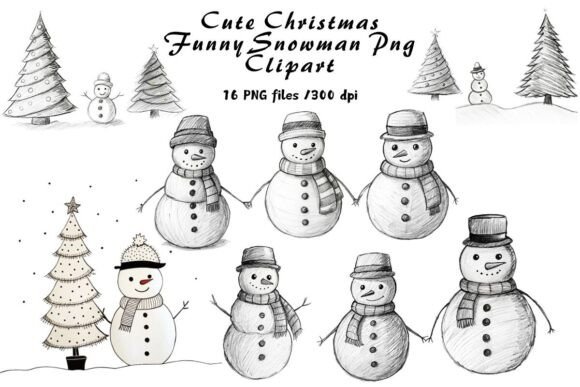
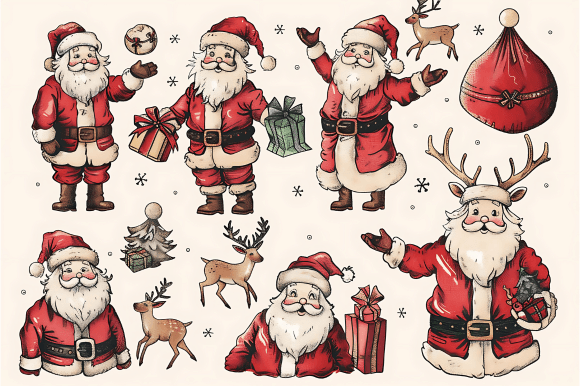
The immediate appeal of the Christmas Doodle Illustration Cute lies in its whimsical, hand-drawn aesthetic. Unlike rigid, traditional holiday vectors, this piece embraces a loose, organic line quality that feels approachable and warm. For embroidery designers, this "doodle" style presents both an opportunity and a challenge. The irregular lines mimic the look of freehand sketching, which can create a charming, artisanal vibe when stitched correctly. However, if the digitizing is too tight or the stitch density is inconsistent, that intended looseness can look messy rather than intentional.
The mood created by this illustration is distinctly cozy and nostalgic. It avoids the overly commercial, glossy look of big-box store decorations, making it ideal for boutique branding and small shop owners who prioritize authenticity. When I first loaded the embroidery file into my software, I looked closely at the node placement and pathing. A good doodle design should flow naturally, minimizing jumps and trims to maintain that continuous, sketch-like appearance. This design seems to understand that balance, offering a layout that feels spontaneous yet structured enough for reliable stitching.
Real-World Application: The Holiday Tote Bag Test
To truly judge a design, you must put it to work. I selected the Christmas Doodle Illustration Cute for a custom tote bag design project. Canvas tote bags are a staple for Etsy sellers and craft fair vendors during the holiday season. They offer a stable, medium-weight fabric that typically handles embroidery well, provided the stabilizer is chosen correctly.
I stitched the design onto a natural cotton canvas using a cut-away stabilizer to ensure longevity. The result was impressive. The playful lines of the doodle stood out clearly against the textured weave of the fabric. Because the design relies on charm rather than hyper-realism, minor imperfections in the fabric texture did not detract from the final look. In fact, the slight irregularity of the canvas complemented the hand-drawn style of the illustration. This is a crucial insight for small business owners: not every flaw in the material is a defect; sometimes, it enhances the handmade aesthetic.
This same logic applies to sweatshirt embroidery. I tested a smaller version on a fleece-lined hoodie. Here, the choice of thread became critical. I opted for a matte rayon thread rather than high-sheen polyester to keep the look soft and understated. The Christmas Doodle Illustration Cute performed well, though I had to pay close attention to the hoop size to ensure the design remained centered on the chest without pulling the heavy fabric. For custom apparel, this design works best when scaled appropriately—large enough to be seen, but not so large that it becomes stiff and uncomfortable against the skin.
Navigating Technical Challenges
While the design is versatile, it is not without its limitations. Embroidery professionals know that "cute" and "simple" can sometimes mask complex stitching requirements. I noticed several areas where careful attention is needed. First, any design with fine, doodle-style lines risks getting lost on dark or highly textured fabrics. If you are working with a black wool coat or a thick terry cloth towel, the intricate details of the Christmas Doodle Illustration Cute may blend into the background. In these cases, I recommend using a contrasting thread color or adding a subtle satin stitch border to define the edges.
Another consideration is the use of applique design techniques. While this specific file appears to be a standard stitch-out, designers might consider adapting elements of it for applique if they want to reduce bulk on delicate items like baby embroidery projects. For infant clothing, less is often more. A dense fill stitch can be irritating to sensitive skin, so ensuring that any solid areas in the design use a light fill or running stitch is essential. Always check the stitch count and density settings in your software before hitting "start."
Curved surfaces, such as caps or hats, also require caution. The doodle style, with its potentially uneven line weights, can distort if the fabric stretches during hooping. I advise using a strong backing and possibly a topping stabilizer if stitching on textured caps to prevent the needles from sinking into the fabric pile. For embroidered patch creation, this design shines, as the stiff backing of the patch provides the perfect canvas for the detailed lines to remain crisp and clear.
Commercial Viability and Brand Consistency
For commercial embroidery and digital product sellers, the question is always about perceived value. Does this design look professional? Does it justify the price point? The Christmas Doodle Illustration Cute excels in creating emotional connection. It feels personal, like a gift from a friend rather than a mass-produced item. This increases the "giftability" of the finished product. Whether used on kitchen towels, pillow covers, or nursery decor, the design invites touch and engagement.
However, consistency is key. If you are building a brand around minimalist modern design, this whimsical doodle might clash. But for shops focused on cozy, rustic, or playful aesthetics, it is a perfect fit. I recommend creating printable mockup images that show the design in various contexts—on a mug, a shirt, a tag—to help customers visualize the end result. High-quality photos of the actual stitched item are even better. Show the texture of the thread, the back of the hoop, and the drape of the fabric. This transparency builds trust with buyers.
Practical Notes for the Embroiderer
Before committing to a large production run or listing this as a digital embroidery file for sale, take these practical steps:
- Test on scrap fabric: Always stitch a sample on the exact material you plan to use. Thread tension and fabric stretch can vary wildly.
- Check thread contrast: View your design in black and white on your computer screen. If the details disappear in grayscale, they will likely get lost in low-light conditions or on busy fabrics.
- Verify licensing: If you plan to sell finished items or include this in a bundle of design assets, confirm the license terms. Some creators allow personal use only, while others permit commercial sales with attribution.
- Inspect small details: Zoom in on the digitized file. Look for overlapping stitches or unnecessary jumps that could cause thread breaks or bird nests.
- Consider the wash test: Wash and dry your sample piece. Check for puckering, thread breakage, or color bleeding. A durable finished product is the best marketing tool you have.
In conclusion, the Christmas Doodle Illustration Cute is a strong contender for holiday collections. It offers a blend of charm and professionalism that, when handled with technical care, can elevate simple items into cherished keepsakes. For the thoughtful designer, it provides a canvas for creativity, inviting experimentation with threads, fabrics, and placements. Just remember that the magic lies not just in the image, but in the execution.