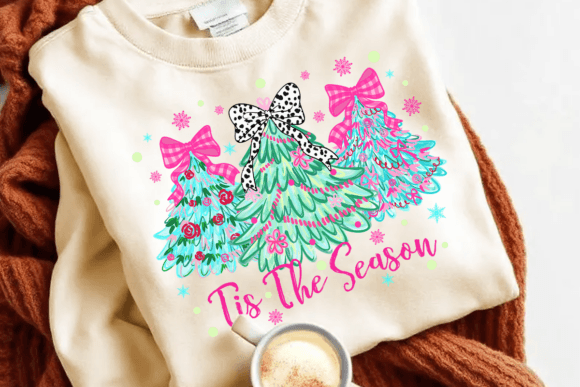
Tis the Season Christmas Tree Coquette: A Designer’s Review
As an embroidery designer who has spent years digitizing patterns and critiquing stitch files for commercial use, I approach every new machine embroidery design with a mix of curiosity and skepticism. We have all seen those overly complex digital files that look stunning on a screen but turn into a tangled mess of thread breaks and puckering on fabric. That is why I took a close look at Tis the Season Christmas Tree Coquette to determine if it holds up under the needle. This piece falls under the category of Illustrations, which often implies a higher level of artistic detail and whimsical charm compared to standard geometric motifs.
The first impression of this design is one of playful elegance. The "coquette" aesthetic—characterized by bows, soft curves, and a touch of vintage femininity—blends surprisingly well with the traditional silhouette of a Christmas tree. It does not scream "holiday cliché." Instead, it whispers seasonal warmth. For those of us running a craft business or selling on Etsy, finding designs that feel fresh yet familiar is crucial. This design achieves that balance. The layout feels intentional, with enough negative space to let the fabric breathe, which is a critical factor in preventing stiffness in the finished product.
Real-World Application: The Holiday Tote Test
To truly evaluate an embroidery file, you must imagine it on a tangible item. I visualized this design stitched onto a natural canvas tote bag design. Canvas is a forgiving medium, but it reveals flaws in stitch density quickly. If the stitches are too dense, the bag warps; if too sparse, the fabric shows through unattractively. Tis the Season Christmas Tree Coquette appears to have a balanced distribution of fill stitch and satin stitch elements. The tree portion likely utilizes a textured fill to mimic pine needles without becoming a solid block of color, while the coquette bows would benefit from smooth satin columns to catch the light.
Imagine a customer browsing a winter market. They pick up this tote. The design is centered, crisp, and inviting. It suggests a personalized gift that feels thoughtful rather than mass-produced. This is the power of good design assets: they elevate the perceived value of a simple handmade product. Whether you are an Etsy seller looking to update your holiday collection or a boutique owner creating limited-run merchandise, this design fits seamlessly into a narrative of cozy, curated living.
Versatility Across Products
Beyond totes, where else does this design shine? I see strong potential in sweatshirt embroidery. A crewneck sweatshirt in cream, sage green, or soft pink provides the perfect backdrop for the intricate details of this illustration. The soft texture of fleece complements the whimsical nature of the coquette style. However, when moving to custom apparel like t-shirts, caution is required. Thin fabrics require careful stabilization. If you plan to use this on a lightweight tee, ensure you use a cut-away stabilizer to support the weight of the stitches, particularly if the design includes larger filled areas.
For baby embroidery projects, such as onesies or burp cloths, the scale of the design becomes paramount. You must check the dimensions before hooping. If the design is too large, it may overwhelm a small garment. Conversely, if scaled down too much, the finer details of the bows and tree branches might merge, losing their definition. Always test on scrap fabric first. This is non-negotiable for professional results. A digital embroidery file is only as good as its execution on your specific machine and fabric combination.
Navigating Technical Challenges
Let us discuss the technical realities. Any design with illustrative qualities and potential fine lines requires attention to thread colors and contrast. If you are stitching this on a dark fabric, you must ensure the design has proper underlay stitches to prevent the background from peeking through the top stitches. Lighter thread colors on dark fabrics can sometimes appear dull if the digitizing does not account for coverage. I recommend running a test on a similar dark fabric to check for visibility and vibrancy.
Curved surfaces, such as caps or hats, present another challenge. While this design could work as a front-panel feature on a dad hat, the curvature might distort the vertical lines of the tree. If you choose to embroider on a cap, consider using a stiffer stabilizer and possibly adjusting the pull compensation settings on your machine. Additionally, avoid placing the design too close to the seams where the hoop cannot grip evenly. For embroidered patch creation, this design would be excellent. Patches allow for heavy stabilizer use and dense stitching without worrying about garment distortion, making them a safe bet for intricate Illustrations.
Commercial Viability and Brand Consistency
From a business perspective, Tis the Season Christmas Tree Coquette offers strong commercial potential. Holiday items are perennial bestsellers, but the market is saturated with generic snowflakes and Santa faces. This design offers a niche appeal that targets buyers looking for something trend-aware and aesthetically pleasing. It aligns well with current interior and fashion trends that favor soft, romantic, and nostalgic elements.
When using this in commercial embroidery projects, consistency is key. Ensure that your thread colors match your brand palette. If your shop specializes in earth tones, stick to moss greens, rusts, and creams. If you lean toward pastels, opt for baby blues and blush pinks. The versatility of the design allows for this customization, but you must plan your color stops carefully. A poorly chosen color palette can make a beautiful design look cheap. Use tools like printable mockups to visualize different color combinations before committing to thread.
Practical Designer Notes for Success
Before you launch this design into your production line, keep these practical tips in mind:
- Check Licensing: Always confirm the license terms provided with the digital embroidery file. Ensure you have the right to sell finished physical items if that is your business model.
- Stabilizer Selection: Match your stabilizer to your fabric. Use tear-away for stable woven fabrics like cotton or linen, and cut-away for stretchy knits like jersey or fleece.
- Hoop Size Verification: Confirm that the design fits within your available hoop sizes. Do not attempt to resize a design beyond recommended limits, as this distorts stitch angles and density.
- Thread Quality: High-quality rayon or polyester threads will enhance the sheen of the satin stitches, particularly in the bow details. Cheap thread can fray and break, ruining the clean look of the illustration.
- Test Stitch-Outs: Never skip the test phase. Stitch the design on a scrap piece of the exact fabric you intend to use. Check for puckering, thread breaks, and registration issues.
In conclusion, Tis the Season Christmas Tree Coquette is a promising addition to any holiday design library. It balances artistic flair with practical stitchability, provided the user respects the technical requirements of embroidery. It is not just a picture; it is a tool for creating memorable holiday embroidery products. Whether you are making a single personalized gift for a friend or stocking your small shop product line for the season, this design invites creativity and craftsmanship. Treat it with the care it deserves, and it will reward you with professional, eye-catching results that customers will love.