Christmas Tree Frame Illustrations Review
As a digital publisher who has spent years refining the visual identity of high-traffic blogs and editorial platforms, I approach every new graphic design asset with a critical eye. It is not enough for an image to be pretty; it must perform. It must hold its own in a crowded social feed, support the narrative of an article, and maintain the integrity of a brand’s visual hierarchy. Recently, I integrated the Christmas Tree Frame into a seasonal content rollout, and the results offered valuable insights into how specific Illustrations can elevate standard holiday marketing.
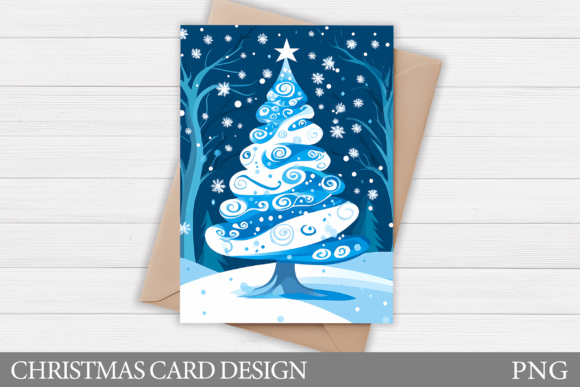
The first impression of the Christmas Tree Frame is one of curated warmth. It does not scream for attention with neon brightness or chaotic patterns. Instead, it offers a structured, elegant border that naturally draws the eye inward. For bloggers and content creators, this is crucial. In an era of banner blindness, we need assets that feel like part of the story rather than intrusive advertisements. This piece feels distinctly lifestyle-focused yet professional, striking a balance that works beautifully for home decor niches, family blogging, culinary sites, and even sophisticated e-commerce stores looking to soften their holiday messaging.
Elevating Editorial Design with Seasonal Frames
In my workflow, the primary test for any design element is versatility. Can it survive the transition from a wide desktop website header to a vertical Pinterest pin? The Christmas Tree Frame passes this test with flying colors. Its structural integrity allows it to function as a container for text, making it an ideal candidate for featured images where headline readability is paramount.
I utilized this asset to create a series of blog graphics for a "Holiday Hosting Guide." By placing the frame around high-resolution photography of table settings, the illustration provided a consistent visual anchor across multiple posts. This consistency is key to building brand identity. When readers scroll through category archives, seeing a unified style signals professionalism and attention to detail. It transforms a collection of disparate posts into a cohesive editorial experience.
Furthermore, the asset supports stronger visual hierarchy. In editorial design, whitespace and framing are tools used to guide the reader’s journey. The tree motif creates a natural focal point, allowing me to place call-to-action buttons or key takeaways within the negative space of the branches. This subtle direction improves user engagement without feeling manipulative.
Real-World Publishing Applications
Beyond standard blog posts, the utility of this digital download extends into various facets of content marketing. Here is how I deployed the Christmas Tree Frame across different channels:
- Newsletter Graphics: Used as a header banner for December email campaigns, creating immediate seasonal recognition before the subscriber even reads the subject line.
- Digital Guides and eBooks: Incorporated into the cover design of a free holiday planning checklist, adding perceived value to the lead magnet.
- Social Media Graphics: Adapted for Instagram carousels, where the frame served as a consistent background for tip-based slides, ensuring brand continuity across the grid.
- Affiliate Marketing Visuals: Applied to product round-up pins, where the festive border helped distinguish sponsored or affiliate content from organic editorial posts, maintaining transparency while enhancing appeal.
For those utilizing tools like Canva, this asset functions effectively as a base for a custom Canva template. By locking the frame layer and allowing clients or team members to swap out central images, you streamline the creation of social media graphics while preventing brand dilution. It is a smart move for agencies managing multiple small business accounts during the hectic Q4 season.
Performance and Reader Trust
Why does this matter for metrics? Because aesthetics influence trust. A polished, well-framed image suggests that the content behind it is equally well-researched and valuable. In affiliate marketing, where conversion relies heavily on credibility, the professional look provided by the Christmas Tree Frame can subtly reduce bounce rates. It signals that the site is active, current, and cared for.
Moreover, consistent use of such design assets aids in category recognition. If you run a food blog, using this frame exclusively for holiday recipes helps readers instantly identify seasonal content in their feed. This mental shortcut improves click-through potential because the audience knows exactly what to expect.
Strategic Placement and Cautionary Notes
While the Christmas Tree Frame is versatile, it is not a universal solution. It works best in hero images, article thumbnails, and dedicated promotional banners. However, caution is required when deploying it in text-heavy environments. Because the illustration has intricate details, placing dense body copy directly over the branches can reduce readability. Always ensure sufficient contrast between the text and the graphic elements.
Additionally, consider the niche. For corporate B2B content or highly minimalistic tech blogs, this decorative style might clash with a sterile web design system. It thrives in spaces that welcome warmth and personality. Avoid using it on small mobile thumbnails where the details of the tree may become muddy or indistinguishable. In those cases, a simplified icon or solid color block may serve the user experience better.
Practical Publisher Notes for Implementation
Before launching this asset in your next campaign, follow these technical checks to ensure optimal performance:
- Test Across Devices: Preview the frame on both desktop and mobile screens. Ensure the lines remain crisp and do not pixelate on high-resolution Retina displays.
- Typography Pairing: Experiment with font styles. I found that pairing the organic lines of the tree with a clean sans serif font created a modern contrast, while a script font enhanced its traditional, nostalgic feel. Avoid overly decorative display fonts that compete with the illustration.
- File Optimization: Review file size for web performance. Large, uncompressed images slow down page load times, which negatively impacts SEO. Use tools to compress the image without losing quality before uploading.
- Licensing Verification: Always confirm the commercial license terms. If you are using this for monetized websites, paid courses, or client work, ensure your usage rights cover commercial design applications. This is non-negotiable for professional publishers.
- Contrast Checks: Test the asset against various background colors. While it looks stunning on white or cream, ensure it maintains visibility if placed over darker, moody photography.
In conclusion, the Christmas Tree Frame is more than just a seasonal decoration; it is a functional tool for small business branding and editorial enhancement. When used thoughtfully, it strengthens visual identity, supports content hierarchy, and adds a layer of polish that resonates with readers. For designers and publishers looking to upgrade their holiday content strategy, this Illustrations package offers a reliable, stylish foundation for creating memorable digital experiences.