Reviewing Christmas Fantasy World for Holiday Stitching
As a designer who has spent countless hours digitizing and stitching out holiday motifs, I approach every new machine embroidery design with a mix of curiosity and caution. The holiday season is saturated with generic snowflakes and standard Santa Claus figures, so finding a design that offers genuine visual interest is rare. Recently, I evaluated Christmas Fantasy World, a piece from the Illustrations category, to determine if it holds up under the needle. This isn’t just about how it looks on a screen; it is about how it performs as a tangible embroidery project for real-world applications.
First Impressions and Visual Mood
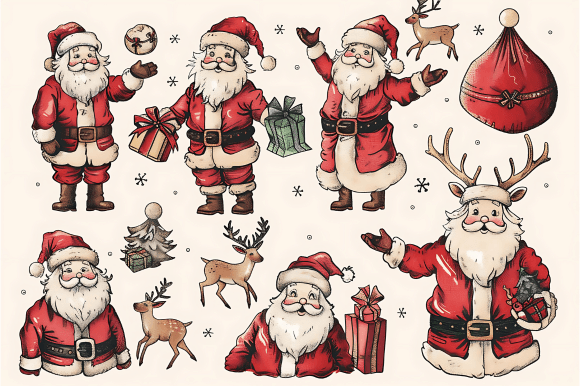
When I first loaded the digital embroidery file into my viewer, the immediate impression was one of whimsical complexity. Unlike minimalistic modern designs, Christmas Fantasy World leans into a narrative style. It feels like a storybook come to life. The layout suggests a scene rather than a simple icon, which immediately raises questions about stitch density and detail retention. For an experienced eye, this signals that the design is best suited for larger hoop sizes where the intricacies can breathe. If you are looking for a quick, low-density fill for a small monogram spot, this might not be the right fit. However, for statement pieces, the visual personality is strong.
The theme evokes nostalgia and magic, making it a prime candidate for holiday embroidery that aims to capture attention. In a market flooded with flat, vector-style graphics, this design offers texture and depth. As a reviewer, I look for how the lines flow. Are there too many direction changes that could cause thread breaks? Does the balance between light and dark areas create a cohesive image? In this case, the composition feels intentional, guiding the eye through the fantasy elements without becoming chaotic.
Real-World Application: The Tote Bag Test
To truly understand the value of Christmas Fantasy World, I mentally placed it on a canvas tote bag. This is a common request for Etsy sellers and craft business owners during the fourth quarter. A tote bag provides a large, stable surface area, ideal for designs with moderate to high detail. Imagine a natural cotton canvas paired with rich reds, deep greens, and metallic gold threads. The fabric texture of canvas supports heavier stitch counts, allowing the design to sit proudly on the surface without sinking in.
In this scenario, the design transforms a simple utility item into a handmade product with perceived high value. Customers are not just buying a bag; they are buying a piece of art. For small shop product lines, this kind of distinctive imagery helps with brand consistency. It signals that the maker cares about quality and uniqueness. However, I would advise against using this on thin, flimsy fabrics for totes, as the weight of the stitches could cause puckering if the stabilizer is not chosen carefully.
Apparel and Custom Gifts
Moving beyond accessories, let’s consider custom apparel. A heavyweight sweatshirt is an excellent canvas for Christmas Fantasy World. The fleece interior provides natural cushioning, which can help smooth out any minor irregularities in the stitching. For sweatshirt embroidery, placement is key. Centering this design on the chest creates a bold look, while placing it on the back allows for a larger scale, showcasing more of the fantasy details.
For baby embroidery projects, such as a holiday onesie or a nursery blanket, caution is required. While the theme is child-friendly, the detail level might be too dense for delicate skin or thin knits. If used for infants, I would recommend scaling it down significantly and ensuring that the back of the stitching is covered with a soft backing to prevent irritation. Always prioritize comfort over complexity when designing for the youngest recipients. A personalized gift becomes truly special when it is wearable and comfortable, not just visually impressive.
Technical Considerations and Challenges
No design is perfect for every situation. When working with Christmas Fantasy World, there are specific constraints to keep in mind. First, consider the hoop size. Attempting to squeeze this illustration into a 4x4 inch hoop will likely result in lost detail and potential registration issues. It thrives in 5x7 or larger hoops. Second, pay attention to stitch density. Complex illustrations often use a combination of satin stitch for outlines and fill stitch for color blocks. If the density is too high for your fabric, you risk perforating the material or creating a stiff, cardboard-like feel.
Curved surfaces, such as caps or hats, present another challenge. Embroidering a detailed scene on a curved brim or front panel requires precise hooping and potentially a specialized cap frame. The distortion caused by the curve can warp the image, making characters or elements look stretched. For embroidered patch creation, however, this design could excel. Patches allow you to stitch on stable twill before cutting and applying, giving you full control over the final look. This makes them a versatile option for commercial embroidery clients who want removable holiday decor.
Enhancing Visual Appeal and Brand Value
From a business perspective, the right design elevates your entire brand. Using high-quality design assets like Christmas Fantasy World builds customer trust. When a buyer sees crisp, well-defined stitching with vibrant thread colors, they perceive the item as premium. This is crucial for printable mockup presentations online. Your digital previews must accurately reflect the finished product. If the design looks muddy in photos due to poor contrast, sales will suffer.
I recommend testing the design in black and white mockups first. This helps you see if the values hold up without relying on color. If the shapes are distinct in grayscale, the design will likely translate well in color too. For dark fabric backgrounds, ensure you have enough light-colored threads to create contrast. Conversely, on light fabrics, deep shadows in the design can add necessary depth. This attention to detail separates amateur hobbyists from professional apparel decorators.
Practical Designer Notes for Success
Before committing to a large production run or a high-stakes client gift, follow these practical steps:
- Test on scrap fabric: Always stitch a sample on the exact material you plan to use. This reveals tension issues and density problems early.
- Check thread contrast: Ensure your chosen palette enhances the design’s features rather than blending them together.
- Use proper stabilizer: For stretchy fabrics like jersey, use a cut-away stabilizer. For woven fabrics like cotton, a tear-away may suffice, but test first.
- Inspect small details: Zoom in on the digitized file. Are there tiny jumps or unnecessary trims that could slow down production?
- Confirm licensing: Before selling finished products or using the design in digital product bundles, verify the license terms provided with the file.
Ultimately, Christmas Fantasy World is a robust choice for designers who understand the technical demands of complex illustrations. It is not a plug-and-play solution for every fabric type, but for the right project, it delivers exceptional charm and professionalism. Whether you are creating kitchen towel sets, pillow covers, or boutique merchandise, this design offers the festive flair that customers seek during the holiday season. By respecting its technical requirements and leveraging its visual strengths, you can create standout items that resonate with buyers and enhance your reputation as a skilled maker.