Review: Watercolor Christmas Socks Clipart for Embroidery
As a designer who has spent countless hours digitizing and testing machine embroidery design files, I have learned that not every pretty image translates well into thread. When I first opened the Watercolor Christmas Socks Clipart, my initial reaction was one of cautious optimism. The aesthetic is undeniably charming—soft edges, blended hues, and a whimsical holiday vibe that screams "cozy." However, translating watercolor art into an embroidery file requires a keen eye for detail, stitch density, and fabric compatibility. This review breaks down how this specific asset performs in real-world applications, from custom apparel to small shop merchandise.
First Impressions and Visual Personality
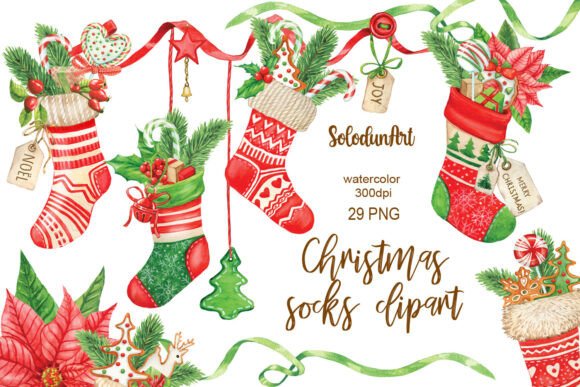
The mood created by the Watercolor Christmas Socks Clipart is gentle and nostalgic. Unlike bold, vector-style graphics that rely on hard lines, this design leans into the organic flow of watercolor painting. For embroidery designers, this presents both an opportunity and a challenge. The lack of rigid outlines means the design relies heavily on fill stitch techniques and careful color blending to maintain its shape.
Visually, the socks feature classic holiday motifs—perhaps snowflakes, stripes, or reindeer patterns—rendered in a way that feels hand-painted. This visual personality makes it ideal for projects where softness is preferred over precision. It does not look like a corporate logo; it looks like a handmade treasure. For Etsy sellers and craft business owners, this distinction is crucial. Customers seeking personalized, artisanal goods are drawn to this softer aesthetic, whereas those looking for crisp, athletic-style branding might find it too diffuse.
Real-World Application: The Holiday Tote Bag Test
To truly evaluate the Watercolor Christmas Socks Clipart, I imagined a common scenario: preparing a custom embroidered tote bag for a holiday gift market. Tote bags are typically made from canvas or heavy cotton, which provides a stable base for embroidery. I placed the design centrally on a natural-colored canvas bag.
The result was promising. The broader areas of color in the socks translated well using standard fill stitch patterns. Because watercolor effects often involve gradual color changes, I had to pay close attention to the thread colors selected. Using variegated threads or carefully planned color stops helped mimic the blended look of the original illustration. On a sturdy fabric like canvas, the design held its integrity without puckering, provided I used a cut-away stabilizer to support the weight of the stitches.
This same logic applies to sweatshirt embroidery. A fleece or French terry sweatshirt offers enough texture and thickness to support the design. The softness of the watercolor style complements the cozy nature of winter wear. However, I would avoid placing this on thin, stretchy fabrics like lightweight jersey t-shirts unless heavily stabilized, as the stitch density required to capture the watercolor effect could cause the fabric to warp or pucker.
Navigating Technical Challenges
While the Watercolor Christmas Socks Clipart is beautiful, it is not without its technical pitfalls. Designers must be wary of where they apply it. Here are key areas requiring caution:
- Small Hoop Sizes: If you attempt to shrink this design to fit a 4x4 hoop, you risk losing the delicate watercolor details. The subtle blends may become muddy blocks of color. Always check the minimum recommended size before resizing.
- Detailed Corners: Watercolor art often has soft, bleeding edges. In embroidery, these edges need to be defined. If the digitizing does not include proper running stitch underlays or border stitches, the edges may fray or look unfinished after washing.
- Dark Fabric: Watercolors are typically light and airy. Stitching this design on black or navy fabric will require a significant amount of white or light-colored underlay stitching to prevent the background fabric from showing through. This increases stitch count and production time.
- Curved Surfaces: Applying this to caps or hats is tricky. The curved surface of a cap can distort the image. I recommend testing on a flat patch first, then applying the embroidered patch to the cap, rather than embroidering directly onto the curved crown.
Impact on Product Value and Brand Consistency
Using high-quality Illustrations like the Watercolor Christmas Socks Clipart can significantly enhance the perceived value of your handmade product. In a market saturated with generic clipart, a design that mimics traditional art forms stands out. It signals to the buyer that thought and care went into the creation process.
For small shop product lines, consistency is key. If your brand focuses on rustic, farmhouse, or soft minimalist aesthetics, this design fits seamlessly. It enhances brand consistency by reinforcing a gentle, welcoming vibe. Conversely, if your brand is modern, geometric, or high-contrast, this design might feel out of place. Always consider how the design aligns with your overall design assets and marketing materials.
Furthermore, the "giftability" factor is high. Items featuring this design, such as baby embroidery on onesies or holiday embroidery on kitchen towels, make excellent personalized gift options. The nostalgic feel evokes warmth and tradition, which are powerful drivers for holiday sales.
Practical Designer Notes for Best Results
Before committing to a large production run or listing a new item in your store, follow these practical steps to ensure the Watercolor Christmas Socks Clipart performs as expected:
- Test on Scrap Fabric: Never skip the test stitch. Use the exact fabric and stabilizer combination you plan to use for the final product. This reveals issues with tension, density, and color blending.
- Check Thread Contrast: View your design in black and white mockups. If the different sections of the sock blend into each other without contrast, the design will look flat. Adjust thread choices to ensure distinct separation between pattern elements.
- Review Stitch Density: High-density fills can make fabric stiff. If the design feels too heavy, consider reducing the density or using an applique design technique where fabric pieces are stitched down instead of filling the entire area with thread.
- Confirm Licensing: Always verify the license terms for the digital embroidery file. Ensure you have the right to use it for commercial embroidery projects if you plan to sell finished items. Some licenses restrict the number of physical copies you can produce.
- Inspect Small Details: Zoom in on the digitized file. Are there unnecessary jump stitches? Are the color changes logical? Clean up any digital artifacts before stitching to save time and thread.
Final Verdict
The Watercolor Christmas Socks Clipart is a strong contender for holiday-themed projects, particularly for those targeting customers who appreciate artisanal, soft aesthetics. It shines on stable, medium-to-heavy weight fabrics like canvas, denim, and fleece. While it requires careful handling regarding stitch density and color selection, the payoff is a unique, eye-catching finished product that stands out in a crowded marketplace.
For apparel decorators and creative entrepreneurs, this design offers a versatile asset for creating memorable custom apparel and home decor. By respecting the technical limitations of watercolor-style digitizing and choosing the right applications, you can transform this digital asset into a tangible success for your craft business. Remember, the best embroidery designs are not just about how they look on screen, but how they feel and endure in the hands of the customer.