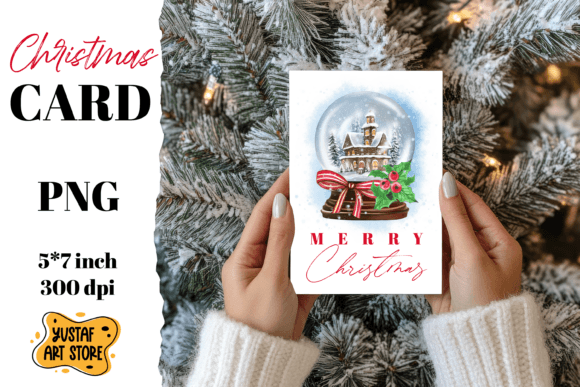
Review: Christmas Card Snow Globe Card Print
As a designer who spends more time staring at stitch maps than actual fabric, I have learned that not every pretty picture translates into a successful machine embroidery design. When I first pulled up the Christmas Card . Snow Globe Card Print file, my initial reaction was one of cautious optimism. The visual concept is undeniably charming—a classic winter motif that taps directly into the nostalgia of the holiday season. However, charm alone does not make a viable product. We need to talk about how this design behaves under the needle, how it sits on different textiles, and whether it deserves a spot in your upcoming holiday collection.
First Impressions and Visual Personality
The Christmas Card . Snow Globe Card Print belongs to the Illustrations category, which immediately tells me we are dealing with a design that prioritizes visual storytelling over simple geometric repetition. The layout suggests a contained, circular or domed shape typical of snow globes, likely featuring intricate internal details such as trees, houses, or festive figures. This kind of complexity requires a keen eye for stitch density management. If the original artwork is too busy, it can turn into a tangled mess of thread on smaller hoops. Conversely, if simplified correctly, it becomes a stunning focal point.
The mood here is cozy and traditional. It is not trying to be modern or minimalist; it is embracing the warmth of handmade holiday decor. For an Etsy seller or small shop owner, this aesthetic is gold. It appeals to customers looking for that specific "grandmother’s house" feeling—the kind of comfort that sells well in December. But remember, what looks crisp on a digital screen can look muddy if the thread colors are not carefully selected or if the fabric texture fights against the stitches.
Real-World Application: The Tote Bag Test
To truly evaluate this design, I mentally placed it on a canvas tote bag. This is a common request for craft business owners during the holidays. A tote needs a design that is durable and visually striking from a distance. The Christmas Card . Snow Globe Card Print works well here because the snow globe frame provides a natural border, containing the stitches and preventing fraying issues at the edges. Using a combination of satin stitch for the glass dome effect and fill stitch for the interior scene would create nice textural contrast.
However, scale is critical. On a large tote, you want the globe to be substantial, perhaps 4 to 5 inches in diameter. If you shrink it down too much to fit a pocket, those delicate internal illustrations might merge into a single blob of thread. I always recommend running a test stitch-out on scrap fabric of the same weight as your final product. Check if the fine lines in the Illustrations hold up. If they break or look sparse, you may need to adjust the stitch density or simplify the color palette.
Versatility Across Products
Beyond totes, where else does this design shine? I see strong potential for sweatshirt embroidery. Placed on the left chest or as a larger back print, the snow globe theme fits perfectly with casual winter wear. The key here is stability. Sweatshirt fleece is thick and stretchy. You must use a cut-away stabilizer to prevent the design from puckering or distorting over time. The weight of the stitches in a detailed globe can pull on lightweight knits, so this design is best suited for medium-to-heavyweight garments.
For baby embroidery, proceed with caution. While the theme is adorable for nursery decor or holiday onesies, ensure there are no tiny, loose satin columns that a curious infant could pick at. Softness is paramount. If using this on baby items, consider reducing the stitch count slightly to keep the hand of the fabric soft, or opt for an applique design version if available, where fabric pieces replace dense stitching.
Embroidered patch makers will also find value here. The self-contained nature of a snow globe makes it an ideal candidate for iron-on or sew-on patches. These can be sold as standalone design assets or used to embellish denim jackets and hats. Just ensure your hoop size accommodates the full width of the globe without cropping essential details.
Technical Challenges and Fabric Considerations
Let’s address the tricky parts. Dark fabrics are popular for winter apparel, but they can swallow up subtle details. If you are stitching the Christmas Card . Snow Globe Card Print on black or navy, you need high-contrast thread colors. Do not rely on shading alone; use distinct outlines to define the globe’s edge. A running stitch border can sometimes help define shapes without adding bulk.
Curved surfaces, like caps, present another challenge. The center of a snow globe design must align perfectly with the cap’s front panel. If the design is too wide, it will wrap around the curve and distort. Always check the dimensions of your hoop size against the curvature of the item. For textured fabrics like linen or waffle knit, the underlying texture can interfere with fine details. In these cases, a heavier stabilizer and possibly a topping sheet are non-negotiable to keep the stitches sitting on top of the fabric rather than sinking into it.
Commercial Value and Brand Consistency
From a business perspective, the Christmas Card . Snow Globe Card Print adds perceived value. It feels like a premium, thoughtful personalized gift rather than a mass-produced item. Customers associate intricate embroidery with quality. When you present this as part of a cohesive holiday line—perhaps matching mugs, towels, and apparel—you build brand consistency. It shows you have a curated eye for design.
However, professionalism comes from execution. A poorly stitched globe with bird’s nests on the back or loose threads on the front undermines that value. Take the time to trim jump stitches and press the finished product properly. Steam can help flatten raised stitches, giving the finished product a polished, retail-ready look. This attention to detail is what turns a one-time buyer into a loyal customer for your small shop product lineup.
Designer Notes for Best Results
- Test Before You Sell: Never assume a digital embroidery file is perfect straight out of the folder. Stitch it out on your intended fabric first.
- Check Licensing: Confirm whether the design allows for commercial embroidery. Most designers allow finished goods sales, but reselling the file itself is usually prohibited.
- Contrast is Key: Use a black-and-white mockup to check if the design’s values stand out. If it looks gray and muddy in grayscale, it will look unclear when stitched.
- Stabilizer Matters: Match your stabilizer to your fabric. Tear-away for stable woven cottons, cut-away for stretchy knits, and water-soluble topping for towels or fleece.
- Thread Quality: Cheap thread breaks and fades. For a holiday item that might be washed and displayed year after year, invest in high-quality rayon or polyester threads.
In conclusion, the Christmas Card . Snow Globe Card Print is a strong contender for your holiday repertoire. It balances nostalgic appeal with practical design structure. By respecting the technical requirements of stitch density, fabric choice, and stabilization, you can transform this digital asset into a tangible, high-quality handmade product that resonates with customers. Whether you are creating custom apparel for clients or stocking your online store, this design offers the versatility and charm needed to succeed in the competitive holiday market. Just remember: the magic is in the execution.